This is one of those things that sounds easy, but getting it just right will take your motion graphics quality to the next level: Resizing images properly in Adobe After Effects. No matter if you are creating Youtube video, Instagram reel, animation explainer, or cinematic VFX shot, resizing image without distortion, pixelation or loss of quality is a key to know how to resize image in after effects.
If you need to resize images for any project — this comprehensive guide will take you through every applicable approach, from simple scaling all the way to advanced, professional-level workflows.
Understanding Image Resizing in After Effects
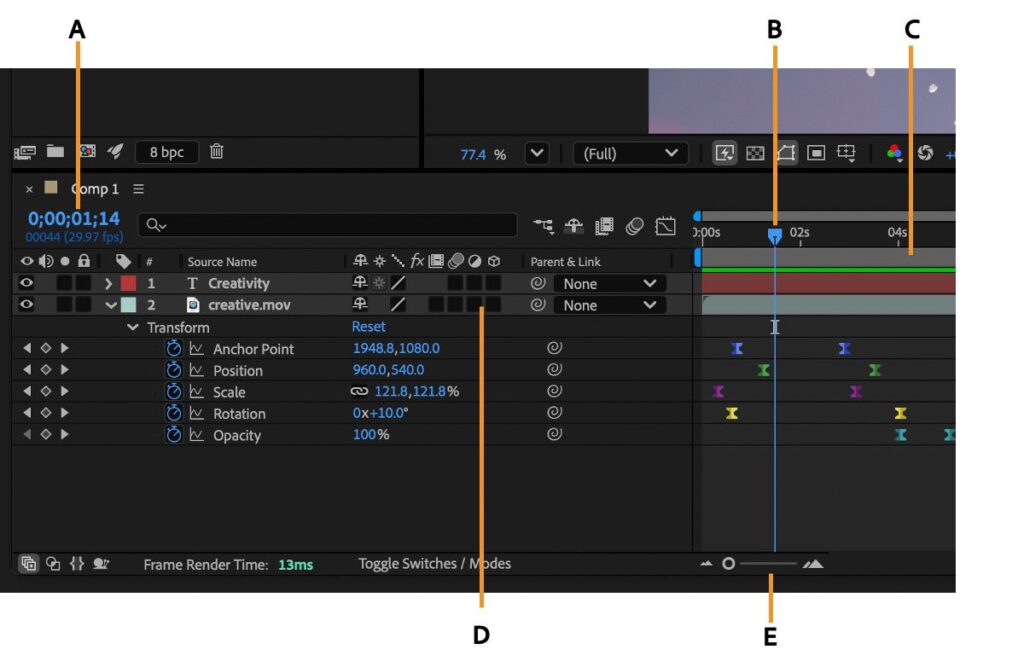
Before you touch the Scale tool it is imperative to know what After Effects does with your images.
Photoshop is resolution independent and pixel-based, where After Effects is resolution dependent and composition based. That means:
- Images do not resize to your canvas automatically
- Scaling affects visual quality
- Large images can slow performance
- The pixelation for small images when scaled
Technically they are steps on how to resize image in after effects, but in reality it is more on how to juggle the resolution you have as well as the composition settings and the scaling method you choose.
Image vs Composition: Why It Matters
In After Effects, size is dominated by two factors:
Image Resolution:
The resultant weight is equal to the original size of your image (4000×3000 pixels)
Composition Resolution:
This is how big your canvas is (1920×1080).
If your image is:
- This is perfectly fine with the comp → smaller than comp → scaling up
- You scale something up from something smaller than the comp, it might go out of focus.
This relationship is step one of many in order to determine how to resize image in after effects properly.
Method 1: Resize Image Using the Scale Property
This is the most basic and versatile approach.
Step-by-Step Instructions:
- Import your image
- File → Import → File
- Drag it to Composition panel or Timeline
- Select the image layer
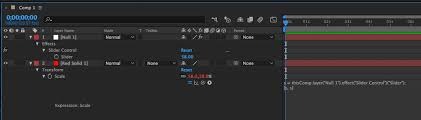
- Press S on your keyboard
- Adjust the Scale percentage
- Ensure that the chain icon is on to maintain ratios.
When to Use This Method?
- Animating zoom-in or zoom-out effects
- Responsive motion graphics
- Non-destructive resizing
This is how most designers prefer it when they are learning how to resize image in after effects for their profession.
Method 2: Fit Image to Composition Automatically
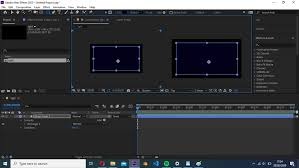
There are commands available in After Effects to resize and transform your images instantly.
Fit to Comp
Ctrl + Alt + F (Windows) / Cmd + Option + F (Mac)
Fit to Comp Width
May be expensive but worth it: Ctrl + Alt + Shift + H
Fit to Comp Height
Keyboard Shortcut: Ctrl + Alt + Shift + G
How to Access Manually?
Layer → Transform → (any of the following options) → right-click
Best Use Cases
- Background images
- Full-screen visuals
- Social media layouts
This is a super-fast method on how to resize image in after effects professionally for beginners.
Method 3: Resize Without Losing Quality
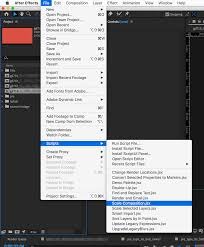
While scaling is also known to make the image blurry, but these methods helps to improve it.
Enable Continuous Rasterization (Vector Images)
- Only Compatible With: AIs, EPS, shape layers
- Tap on the sun/star icon in the timeline
Effortless scaling with zero quality degradation
Use “Preserve Details” (For Upscaling)
- Click on Layer → Transform → Scale
- Enable Preserve Details (AE 2023+)
Use High-Resolution Images
Try to use the largest size image larger than your final output wherever possible.
These techniques are relied upon by professionals when learning how to resize image in after effects for broadcast or cinematic work.
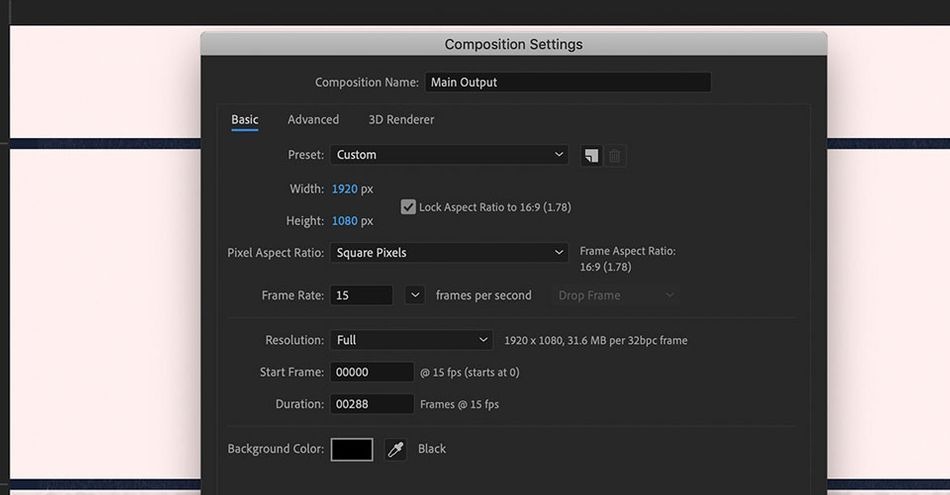
Method 4: Resize Image by Changing Composition Settings
A lot of the time the problem isn’t the image, it’s the framing.
How to Adjust Comp Size?
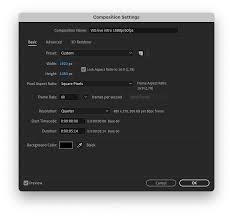
- Save composition → Composition settings
- Change Width & Height
- Click OK
This allows you to resize the canvas, but really will not change the scale of the image.
When to Use This?
- Rotate video (Video 16:9 to Video 9:16)
- Creating vertical reels
- Adjusting aspect ratios
This is in addition to techniques of how to resize image in after effects.
Method 5: Resize Image Using Parenting (Advanced)
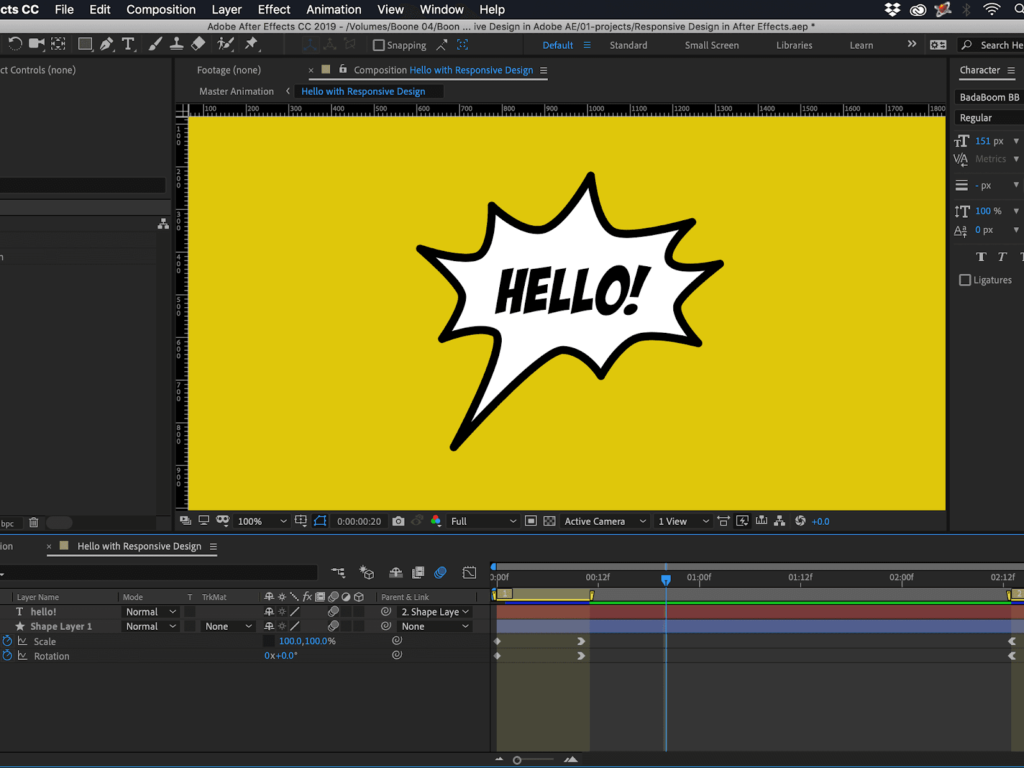
And for more complex animations, definitely a very powerful way to go is parenting.
Steps
- Create a Null Object
- First thing you need to do is to select the image layer that you previously place into the composition and move it under the Null layer, parent the 2 layers, and see your image being move with the Null.
- Scale the Null Object instead
Advantages:
- Centralized control
- Cleaner animations
- Perfect for templates
In professional workflows for reusable designs with the how to resize image in after effects approaches, this method is one of the most used methods.
Common Mistakes to Avoid
Common mistakes made by beginners when resizing images are:
Scaling More than 100% on Low-Resolution Images
- Causes pixelation and blur
Ignoring Aspect Ratio
- Results in stretched visuals
Composition scaling instead of layer scaling
- Reduces overall quality
It is also important to avoid these pitfalls when applying how to resize image in after effects.
Best Practices for Professional Results
- Always import high-resolution assets
- Keep Scale animations subtle
- When you are scaling fast, allow for motion blur
- Use vector images when possible
- Full Resolution Before Export Preview
In this how to resize image in after effects workflow, these are the difference between amateurs and pros habits.
Performance Tips While Resizing
After Effects can be slowed down by large images.
Optimize Performance By:
- Pre-composing large images
- Using proxies
- Lowering preview resolution
- Trimming unused layers
As it reduces size, it adds an extra level of quality and performance.
Export Considerations After Resizing
Before exporting:
- Check final Scale values
- Preview at 100% zoom
- Resolution of the match comp to the export ones
- Do not resize one more in the Media Encoder
This means your resized images will always be displayed in very high quality.
How to Resize Image in After Effects – Alternative Solution?
The Oualator Image Resizer is a functional workaround if you need images resized more quickly and without having to do it directly inside of After Effects, and for fully free as well. Who likes working with large images or tens of images in After Effects? Well, now you can resize those images online before importing it into Aftereffects that will save a lot of time and processing power. This is a browser-based tool that requires no signup and is perfect for beginners, as well as professionals seeking speedy results. This is why you can prepare your images in advance to make your workflow easier, but it still teaches how to resize image in After Effects.
Key Features of this Online Utility:
- Free Online & No Installation, No Subscription, No Watermarks 100%
- Control the exact dimensions — Set the dimensions in width, height size or in percentage
- Aspect Ratio Lock — No Stretching or Compression
- Batch Image Resizer – Resize a number of images at once
- Top-Class Results — Image clarity kept when image resize Roblox
- Quick Processing – Results displayed in the browser immediately
- User-friendly Starter Kit – Easy to use with a lot less hassle
This makes it a handy sidekick to your After Effects project.
Why This Method Is Better Than Resizing Directly in After Effects?
Using tools like Oualator, there are multiple benefits over resampling images within After Effects:
Improved Performance
If you’re using very high-res photos sometimes this can also bog down Preview in After Effects. It lessens the load on RAM and GPU by pre-resizing them.
Cleaner Timeline & Scale Values
Rather than putting up with very low scale values (like 15% or 300%) your images actually sit at a scale of 100%.
Zero risk of losing quality by mistake
These pre-sized images work effectively inside the composition for proper scaling and avoiding pixelation.
When to Use This Alternative Approach?
- When working with multiple images
- The constraints that render After Effects slow or laggy
- When you have a specific resolution for output
- During Asset Prep for Templates or Production Projects
So to sum it up: Using above mentioned tool with After Effects = less post-steps, faster processing, and more control; smart adjacent strategy while unlocking how to resize image in After Effects to a profession levels.
Final Thoughts
Using the After Effects resize image tutorial properly, Resizing Images in After Effects. That involves knowing resolution, keeping quality, finding the appropriate way, and performance optimization. When you learn these methods, your motion graphics will appear more polished, crisper, and more professional on any site.
After a little while, resizing images in After Effects will just be second nature—and another powerful tool in your toolbox.

An experienced technical content writer with expertise in crafting insightful technology blogs. He studies emerging trends, analyzes tools before drafting, and ensures every piece reflects the latest innovations. His content blends clarity, research, and up-to-date technical understanding.